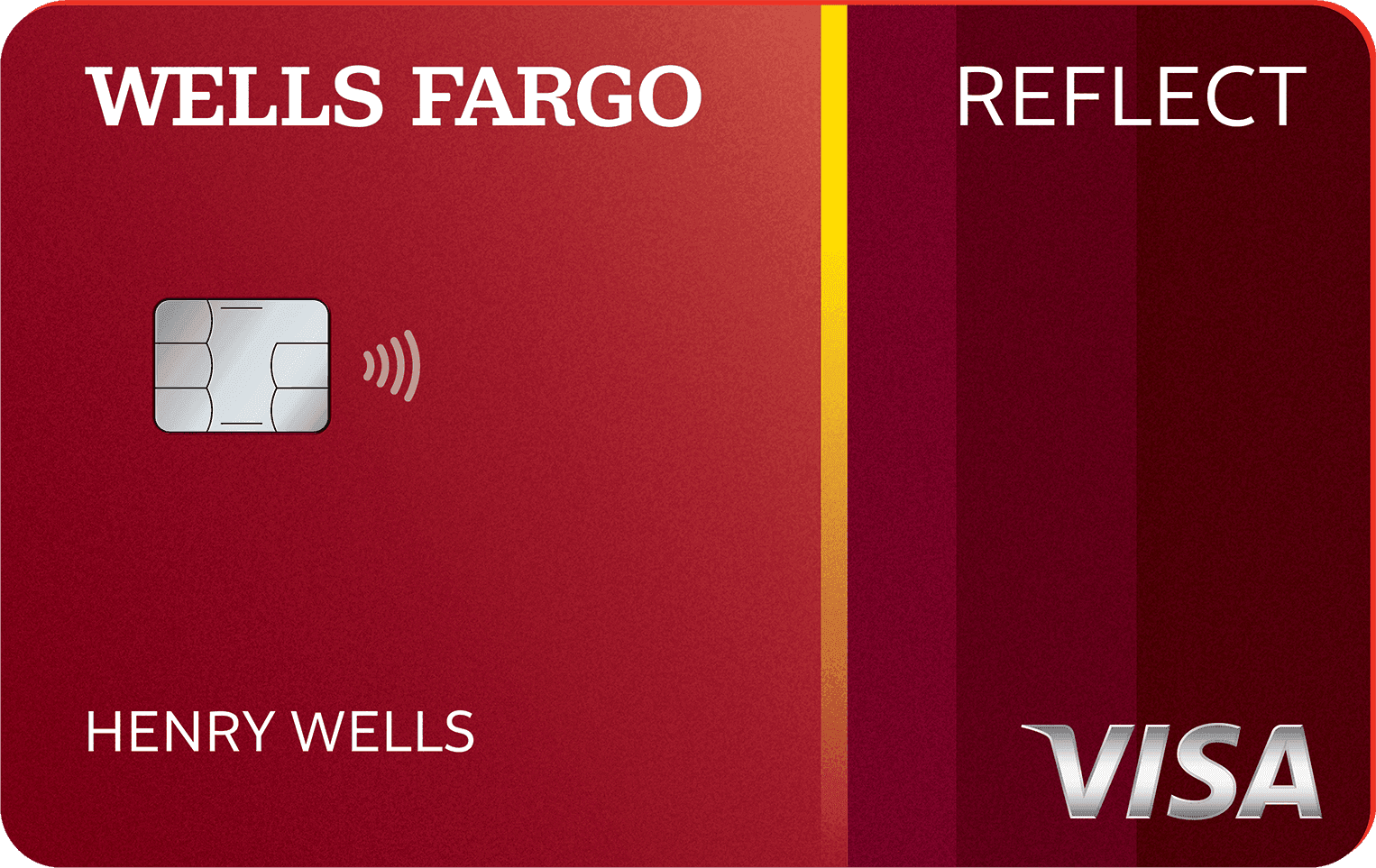
A balance transfer can be one of the smartest moves you make if you're carrying credit card debt. Done right, you can stop paying 22% interest and start paying 0% — for as long as 21 months. That's potentially thousands of dollars saved on a $5,000 balance.
Done wrong, you can rack up fees, miss the intro window, and end up worse off than where you started.
Here's the exact process, the math behind it, and the gotchas nobody warns you about.
What a balance transfer actually is
A balance transfer moves debt from one credit card (a high-interest one you're carrying a balance on) to another card (one that offers a 0% intro APR for some number of months). The new card pays off the old one — you now owe the new card instead.
You don't get cash. You don't earn rewards. The benefit is purely the interest you stop paying.
Step 1: Apply for a balance transfer card
Find a card with a long 0% intro APR period on balance transfers. Common offers right now run between 15 and 21 months. Apply for it like you'd apply for any card.
A few things to check before you submit:
- Your credit score. Most strong balance transfer offers require good credit (670+). If you've got fair credit, you'll have fewer options and shorter intro periods.
- The transfer fee. Almost every card charges 3-5% of the amount you transfer. If you transfer $5,000 with a 3% fee, that's $150 added to your balance on day one. The math still works as long as the interest you save exceeds the fee.
- Whether they let you transfer from the same bank. Most card issuers won't let you do a balance transfer between two of their own cards (Chase to Chase, for example). You'll need to transfer to a different bank.
Step 2: Initiate the transfer
Once you're approved and the new card is active, you have two ways to start the transfer:
- During the application. Most balance transfer cards let you enter your old card's details (issuer, account number, amount) right in the application. They'll handle the rest.
- After approval. If you skipped that step, you can usually log into the new card's online account and find a "Transfer a Balance" option in the menu. Same info — old card details and the amount.
You can transfer multiple balances if you have several high-interest cards. Just be aware most cards have a maximum total transfer amount, often capped around 95% of your new credit limit.
Step 3: Wait for the transfer to process
This is where people get into trouble. Balance transfers can take 5 to 14 days to actually process. During that window, your old card still shows the balance, and the minimum payment is still due.
What that means in practice:
- Don't stop making payments on your old card until you can confirm the transfer cleared. Missing a payment during this gap can trigger late fees and ding your credit.
- Keep watching both accounts. Once the new card shows the transferred amount and the old card shows a $0 balance (or the reduced amount you transferred), you're done.
Step 4: Pay it off before the intro period ends
This is the whole point. The 0% APR is a window — usually 15-21 months — and after it closes, the regular APR (typically 18-28%) kicks in on whatever balance remains.
Math example: You transfer $5,000 with a 3% fee ($150) onto a card with 18 months at 0% APR. You now owe $5,150. To pay it off cleanly during the intro period, you need to pay about $286 a month.
If you can't manage that pace, the strategy still works — you just want to pay as much as possible during the intro window so less is left when the high APR returns.
Set up a calendar reminder for one month before the intro period ends. That's your warning to either pay off whatever's left, or — if you can't — start shopping for another balance transfer.
The gotchas
Things that trip people up:
The transfer fee adds to your debt. If you transfer $10,000 with a 5% fee, you owe $10,500 on the new card. Always factor this in.
New purchases on the balance transfer card aren't 0%. A lot of balance transfer cards have separate intro APR periods for purchases vs. transfers. And even if both are 0%, payments are usually applied to the lowest-interest balance first — meaning your purchase balance can sit there accruing interest for a long time. Easiest rule: don't use the balance transfer card for new purchases. Treat it as a single-purpose tool to pay off the transferred debt.
Your credit score will dip temporarily. Opening a new card creates a hard inquiry and lowers your average account age. The dip is usually small (5-10 points) and recovers fast. But if you're applying for a mortgage in the next 6 months, time it carefully.
Don't close the old card. Once the transfer is done, your instinct is to close the now-paid-off card. Don't. Closing it lowers your overall available credit, which raises your credit utilization ratio, which lowers your score. Keep it open with a $0 balance and use it occasionally for a small charge to keep the account active.
Is it worth it?
Math test: If your current balance is over $1,000 and your APR is over 18%, almost certainly yes. The interest you save will dwarf the transfer fee.
If your balance is under $500 or your current APR is already low (some credit unions offer 12-15% cards), the math is closer to a wash and probably not worth the hassle.
But the bigger picture: a balance transfer doesn't fix the underlying problem if you keep adding new debt. It buys you time and saves you money on interest, but the discipline to actually pay it off has to come from you.