You can get a credit card with almost any credit score. You can't get a good credit card with a low one.
That's the honest answer, and it's the one that most "what credit score do you need" articles dance around. Let me give you the real numbers.
The credit score tiers
FICO scores range from 300 to 850. Most cards target one of these tiers:
- Excellent: 740-850 — almost any card you want
- Good: 670-739 — most cards, including premium options
- Fair: 580-669 — limited options, mostly with fees or high APRs
- Poor: 300-579 — secured cards or starter cards only
- No credit history (limited) — student cards, secured cards, or specific starter cards
What you can actually get at each level
740+ (Excellent): You can get any card on the market. The Chase Sapphire Reserve, Amex Platinum, Capital One Venture X, Sapphire Preferred — all available. Your applications get approved with the highest credit limits and the lowest APRs.
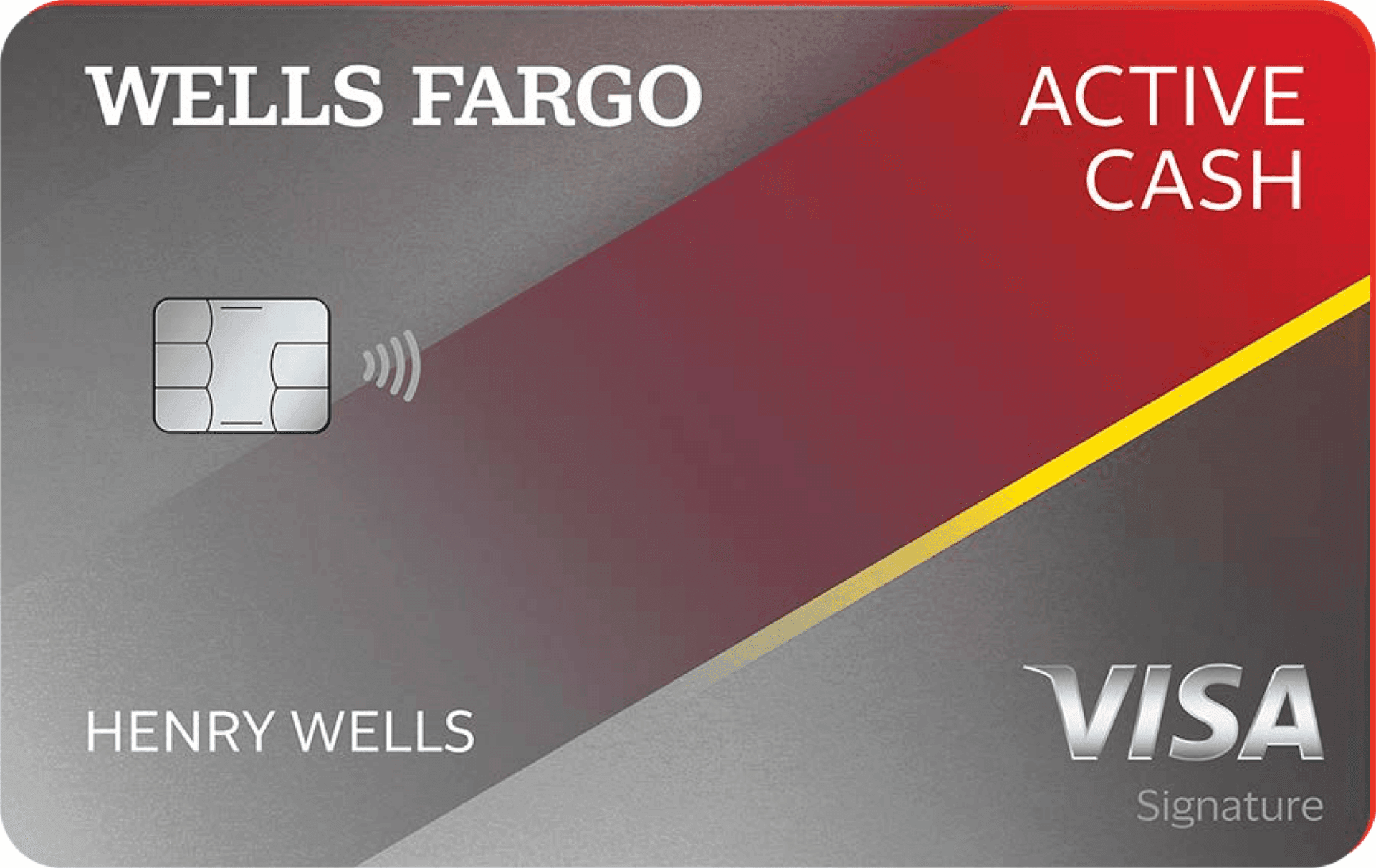
670-739 (Good): You can get most cards. The premium $400+ annual fee cards become harder above the $95 tier, but Chase Sapphire Preferred, Capital One Venture, Citi Double Cash, Wells Fargo Active Cash, Bank of America Customized Cash — all in range.
You'll occasionally see denials for premium cards, but you'll get approved for excellent mid-tier cards.
580-669 (Fair): The premium cards aren't going to approve you. What's available:
- Capital One Platinum (no annual fee, builds credit)
- Capital One QuicksilverOne (1.5% cash back, $39 annual fee)
- Discover it Secured (cash back rewards on a secured card — rare combination)
- Some Credit One and Mission Lane cards (high fees, careful review)
The path forward at this level is using one of these cards responsibly for 12-18 months while paying off in full every month, then upgrading.
Below 580 (Poor): Real options narrow to secured cards, where you put down a deposit (typically $200-500) that becomes your credit limit. Used responsibly, secured cards build your score reliably.
The Discover it Secured and Capital One Platinum Secured are both solid. Avoid "subprime" unsecured cards in this tier — they often carry annual fees of $99-150 and APRs north of 30%, which traps people in debt. A secured card with no fee or low fee is almost always the better path.
No credit history: Different from poor credit. If you've never had a loan or credit card, scoring models don't have data on you yet. Options:
- Student cards if you're enrolled (Discover it Student, Capital One Savor Student)
- Capital One Quicksilver Student
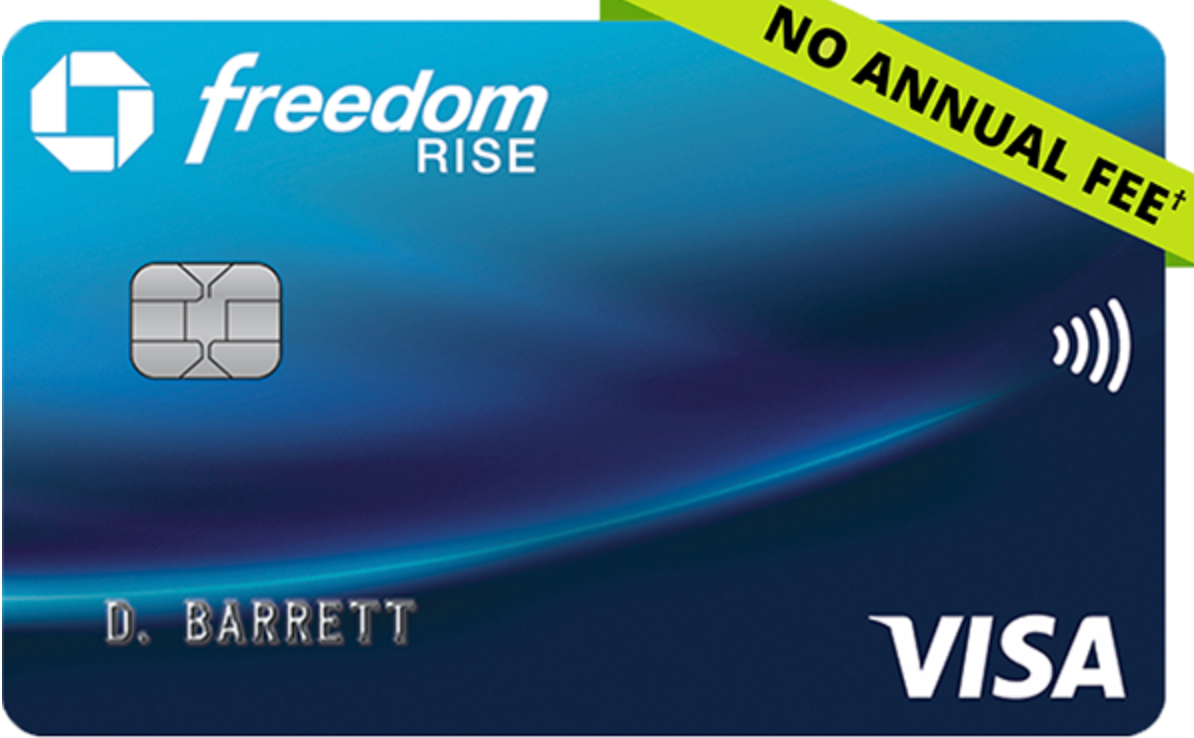
- Chase Freedom Rise (their starter card)
- Secured cards with low deposits
Three to six months of responsible use generates enough history to start getting unsecured offers.
Why "no minimum credit score" is mostly fiction
You'll occasionally see articles that claim a card has "no minimum credit score." Technically true — banks don't publish minimums. But every approval algorithm uses your score plus other factors (income, debt-to-income, recent applications, etc.).
What "no minimum" practically means:
- The card targets fair-to-good credit, but they'll consider exceptions for strong income or specific patterns
- Or it's a starter/secured card that genuinely accepts low scores
Cards advertised as Excellent/Good (Sapphire Reserve, Amex Platinum) effectively do have minimums even if they don't publish them. Don't apply for a $550/year travel card with a 600 credit score — you'll get denied, take a hard inquiry hit, and waste time.
Other things banks check (besides your score)
Your score is the headline number, but banks also look at:
Income. Cards with high credit limits want to see income that supports those limits. A $30,000-limit card typically requires $50,000+ income.
Debt-to-income ratio. If your existing card balances and loans already eat 50%+ of your monthly income, you'll get denied or capped at low limits regardless of score.
Recent inquiries. If you've applied for 4 cards in the last 6 months, banks see you as risky and may deny even if your score is strong. Chase enforces this with their 5/24 rule (no approval if you've opened 5 cards in 24 months).
Account age. A 23-year-old with a 750 score is sometimes harder to approve than a 45-year-old with a 720, because the older applicant has a longer track record.
How to know what you'd qualify for without applying
Two ways:
Pre-qualification tools. Capital One, American Express, Discover, and Chase all offer pre-qualification on their websites. You enter basic info (no SSN required), and they tell you which of their cards you'd likely be approved for. This is a soft inquiry — no credit hit.
Credit Karma or your bank's credit monitoring. These tools track your score over time and often surface card recommendations based on your profile. The recommendations are loosely accurate; the score tracking is solid for trend monitoring.
The real number that matters is your FICO 8 score from the major bureaus (Experian, Equifax, TransUnion). Credit Karma uses VantageScore, which is similar but not identical to FICO. Banks usually pull FICO. Your VantageScore from Credit Karma is a reasonable proxy but can be off by 10-30 points from what banks actually see.
How to get a higher score
If you're stuck in the fair tier (580-669) and want to move up:
Pay every bill on time, every month. Payment history is 35% of your score — the biggest factor. One missed payment can drop your score 50+ points and stays on your report for 7 years.
Lower your credit utilization. If you're using more than 30% of your available credit, that's hurting you. Pay down balances or ask for credit limit increases. Utilization under 10% is ideal.
Don't close old accounts. Length of credit history matters. Keeping your oldest card open (even if you don't use it) helps your score.
Don't apply for new credit unnecessarily. Each application creates a hard inquiry that drops your score 5-10 points temporarily.
Be patient. Most credit improvements take 3-6 months to show up. Build the habits and the score follows.
Bottom line
Whatever your score, there's a credit card you can get. What changes is the quality of the card.
If your score is 670+, you have access to genuinely good rewards cards with low APRs and meaningful welcome bonuses. Below that, focus on building credit responsibly first — the rewards cards become available faster than you might think once your score crosses into the good tier.