The best credit card for a college student isn't necessarily the one with the biggest welcome bonus or the highest cash back rate. It's the one that approves you with limited credit history, doesn't charge an annual fee, and teaches you to use credit responsibly without trapping you in debt.
Two cards stand out for most students.
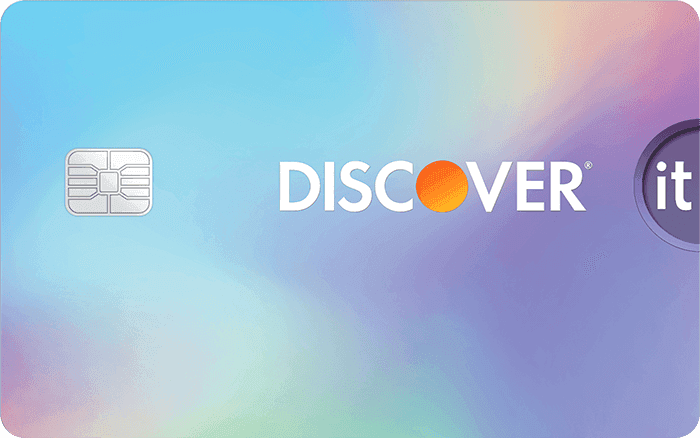
Top pick: Discover it Student Cash Back
The Discover it Student Cash Back is the best overall pick for most students. Here's why:
- No annual fee — important on a student budget
- 5% cash back on rotating quarterly categories (groceries, gas, restaurants, etc.) up to $1,500 per quarter
- 1% cash back on everything else
- Cashback Match — Discover doubles all the cash back you earn during your first year as a cardholder. No cap.
That last point is huge. If you earn $200 in cash back in your first 12 months, Discover writes you a check for another $200 at the end of year one. For a student putting normal spending on the card (groceries, gas, textbooks, subscriptions), Cashback Match typically adds $100-$300 in extra value.
Discover also approves students with limited credit history more readily than most issuers. If this is your first credit card, this is the one to start with.
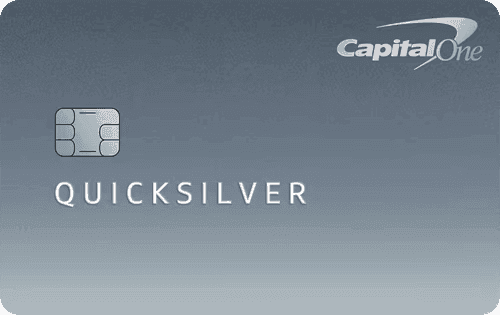
Runner-up: Capital One Quicksilver Student
The Capital One Quicksilver Student Cash Rewards Card is the better pick if you don't want to track rotating categories:
- No annual fee
- 1.5% cash back on every purchase, no categories to track
- 5% cash back on hotels and rental cars booked through Capital One Travel
- $50 welcome bonus after spending $100 in the first 3 months
The 1.5% flat rate is lower than what Discover offers in bonus categories, but you don't have to activate anything quarterly or worry about which card to use where. For a student who wants a "set it and forget it" card, this is the cleaner option.
Cards to avoid as your first card
A few categories that look attractive but aren't right for a starter card:
- Premium travel cards (Sapphire Preferred, Venture X) — annual fees of $95+ and require Good/Excellent credit you probably don't have yet
- Store cards (department store, gas station-branded) — limited acceptance, often higher APRs, don't help your credit score grow as much as a major-issuer card
- Cards with annual fees — there's no reason to pay an annual fee on your first card when no-fee options are this strong
How to use it responsibly
Three rules that make a student credit card work for you instead of against you:
- Set up autopay for the full statement balance — not the minimum. This eliminates late fees and interest charges.
- Keep your utilization under 30% of your credit limit. If your limit is $500, try to keep your balance under $150 at any given time.
- Don't apply for multiple cards in the first year. One card, used well, builds credit faster than several cards used poorly.
For more on building credit from scratch, see our guide on how long it takes to build credit and what affects your credit score.
Browse all student cards
See our full list of student credit cards for more options and side-by-side comparisons.