You buy a $50 dinner in Paris on your card. The card processes the charge. The next morning you check your account and the dinner cost $51.50.
That extra $1.50 is the foreign transaction fee. It's 3% of the purchase price, charged on every transaction processed outside the US — and most credit cards charge it.
Here's how the fee works, why it exists, and how to avoid it.
What counts as a "foreign transaction"
The fee triggers on any purchase processed by a non-US bank, regardless of where you physically are. That means:
- Buying anything overseas — meals, hotels, taxis, museum tickets
- Online purchases from non-US merchants — even if you're sitting in your kitchen in Ohio, ordering from a UK retailer triggers the fee
- Some purchases that look domestic but route through foreign processors — booking a flight on a foreign airline's US website, for example, sometimes triggers the fee depending on which entity processes the charge
The fee doesn't care about the currency. A US-dollar purchase processed by a French bank still triggers the fee. A euro purchase processed by a US bank doesn't. The processor is what matters.
The standard fee is 3%
Most US credit cards charge 3% as their foreign transaction fee. Some cheaper cards charge 1-2%. A growing number — especially travel cards — charge 0%.
The 3% sounds small until you do real math. A two-week trip to Europe where you spend $200/day on the card means $2,800 in foreign transactions. The fee is $84.
That fee is just for the privilege of using your card abroad — separate from any currency conversion (which happens at the network's wholesale rate, usually fair) and separate from interest charges if you carry a balance.
Why the fee exists
Two reasons, both honest:
1. Visa and Mastercard charge the issuer ~1% on cross-border transactions. This is the network's fee for handling the cross-currency settlement. The card issuer passes this through to you, plus their own markup.
2. It's pure profit on top of that. US banks have figured out that travelers will pay 3% rather than juggle multiple cards or carry cash, so they charge it.
The 1-2% above the network's actual cost is the part that's avoidable — that's what no-foreign-fee cards eliminate.
Cards with no foreign transaction fee
Some categories of cards reliably skip foreign fees:
Travel cards (almost all of them):
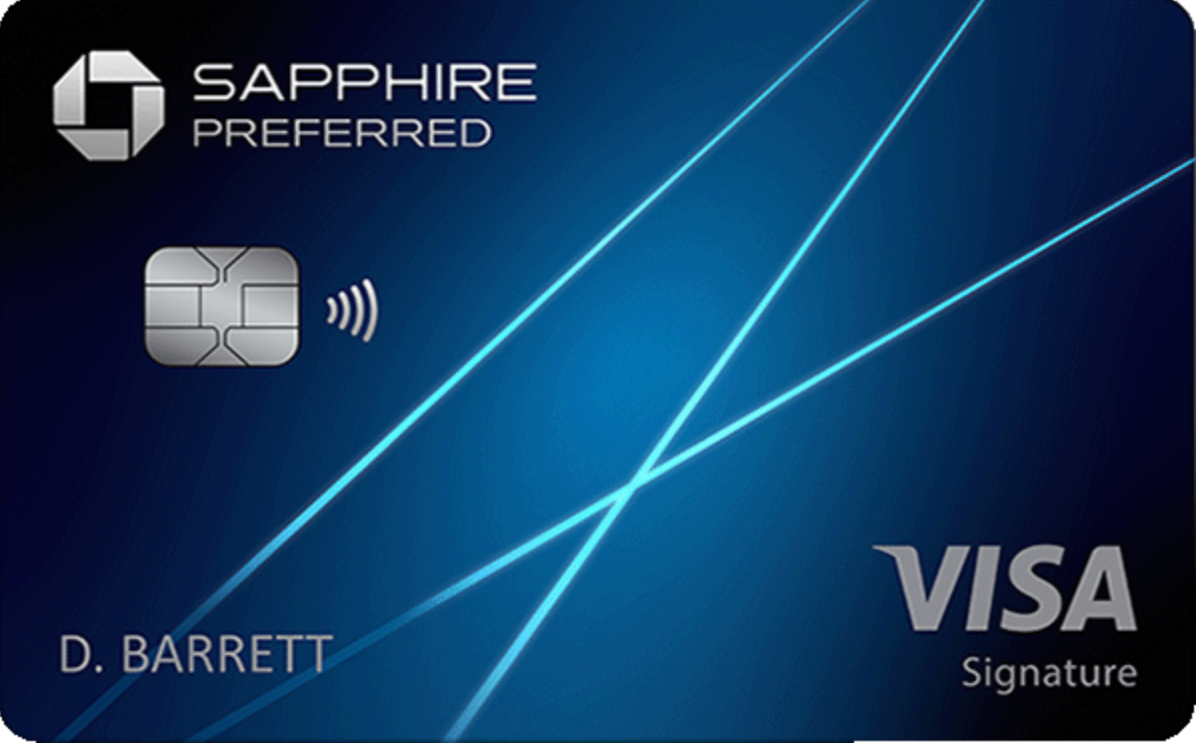
- Chase Sapphire Preferred — no fee
- Chase Sapphire Reserve — no fee
- Capital One Venture, VentureOne, Venture X — no fee
- American Express Gold, Platinum, Green — no fee
- Citi Strata Premier, Strata Elite — no fee
- Bank of America Travel Rewards — no fee
- Wells Fargo Autograph, Autograph Journey — no fee
Some no-annual-fee cards:
- Capital One VentureOne Rewards — no annual fee, no foreign transaction fee
- Bank of America Travel Rewards — no annual fee, no foreign transaction fee
- Discover it Miles — no annual fee, no foreign transaction fee
- Wells Fargo Autograph — no annual fee, no foreign transaction fee
Cards that DO charge foreign transaction fees:
- Most Chase cash back cards (Freedom Unlimited, Freedom Flex, Freedom Rise) — 3%
- Most Capital One cash back cards work without fees, but check the specific card
- Many Citi cards — varies, check each
- Most store-branded cards — usually charge
What about debit cards?
Debit cards are usually worse than credit cards for international transactions. Most charge their own foreign transaction fees (1-3%) plus often an ATM withdrawal fee on top.
If you need cash abroad, the Charles Schwab High Yield Investor Checking is a popular choice — no foreign transaction fees and they refund any ATM fees other banks charge you. Several other banks now offer similar deals.
For purchases, credit beats debit anyway because of fraud protection. If your debit card gets compromised abroad, the money is gone from your account until the bank refunds it. If a credit card gets compromised, you just dispute the charge.
What about cash?
Currency exchange at airports and tourist areas is brutal — markups of 5-10% are common. Even bank-to-bank exchanges run 2-4% from the wholesale rate.
The best exchange rate you'll get on cash is from an ATM in the destination country, paid for with a debit card that doesn't charge foreign fees. This is usually within 1% of the wholesale rate.
For most travelers, the workflow is:
- Pay for everything possible with a no-foreign-fee credit card (best rate, plus fraud protection and rewards)
- Use ATMs for small cash needs (taxis, tipping, cash-only places) with a no-fee debit card
- Avoid currency exchange counters entirely
The DCC scam
Watch for this when traveling. You'll be at a restaurant or hotel and the payment terminal will ask: "Would you like to pay in your home currency (USD) or local currency?"
Always pick local currency. The "home currency" option is called Dynamic Currency Conversion (DCC), and it always uses a worse exchange rate than your card network would. The merchant takes a cut of the markup.
Sometimes the prompt is in another language and confusing, or the cashier presses the option for you. Tell them "no, charge in [local currency]." It's worth being firm — the difference can be 4-7% on the transaction.
When a foreign-fee card might still make sense
If your trip is short and your spending is low, the math sometimes works out:
- Spending $300 abroad on a 3% fee card costs you $9 in fees
- Opening a new card to avoid that $9 means a hard inquiry on your credit report
For one weekend trip a year, the fee might just be the cost of doing business. For anyone traveling more than once a year, or anyone planning longer trips, getting a no-foreign-fee card is a no-brainer — even if it has an annual fee, the savings on fees plus the rewards on travel spending dominate.
Bottom line
A 3% foreign transaction fee is a hidden tax on travel that most US credit cards still charge. Almost any travel-branded card skips it, and several no-annual-fee cards also skip it.
If you're going abroad for any meaningful amount of time, take a no-fee card. If your everyday card has a foreign transaction fee, get a free alternative for trips and use it only for international purchases. Either way, never use a card with a 3% fee internationally if you have a fee-free option in your wallet.