The average American household spends about $475 a month on groceries. On a 1% cash back card, that's $57 a year. On a 6% cash back card, it's $342. Same spending, six times the return.
Here's how to pick the right card and structure your grocery spending to actually capture that difference.
The grocery card landscape
Cards that pay bonus rewards on groceries fall into three tiers:
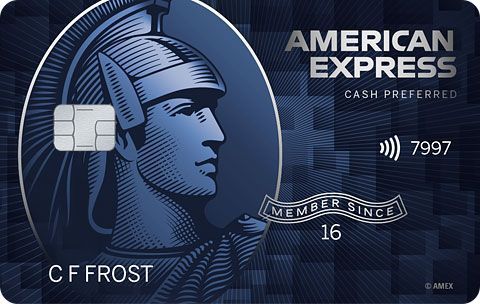
Tier 1: 6% on supermarkets (with caps) The Blue Cash Preferred from American Express is the headline option here. 6% cash back at US supermarkets, capped at $6,000 in spending per year. After the cap, it drops to 1%.
The catch: $95 annual fee, and "supermarkets" doesn't include Walmart, Target, warehouse clubs, or specialty stores. Just traditional grocery stores.
Tier 2: 3% on groceries with no fee Several cards offer 3% on groceries without an annual fee. The Blue Cash Everyday from Amex, the Bank of America Customized Cash Rewards (if you choose groceries as your category), and a handful of others. Lower ceiling but no cost to hold.
Tier 3: 1-2% on everything (including groceries) Flat-rate cash back cards like the Citi Double Cash (2% on everything) or the Wells Fargo Active Cash (2% on everything). Lower per-dollar return on groceries specifically, but you don't have to think about which card to pull out.
The math on the $95 annual fee
Most people see a $95 annual fee and assume the no-fee 3% card wins. The math says otherwise for a lot of households.
Let's compare for a family spending $500/month at supermarkets:
Blue Cash Preferred (6% with $6,000 cap, $95 fee):
- $500 × 12 = $6,000 spending
- 6% of $6,000 = $360 cash back
- Minus $95 fee = $265 net
Blue Cash Everyday (3%, no fee):
- $500 × 12 = $6,000 spending
- 3% of $6,000 = $180 cash back
- $180 net
The Preferred wins by $85 even with the fee. The breakeven point — where the $95 fee no longer pays for itself — is about $264/month in supermarket spending. Below that, the no-fee 3% card wins. Above that, the 6% card wins decisively.
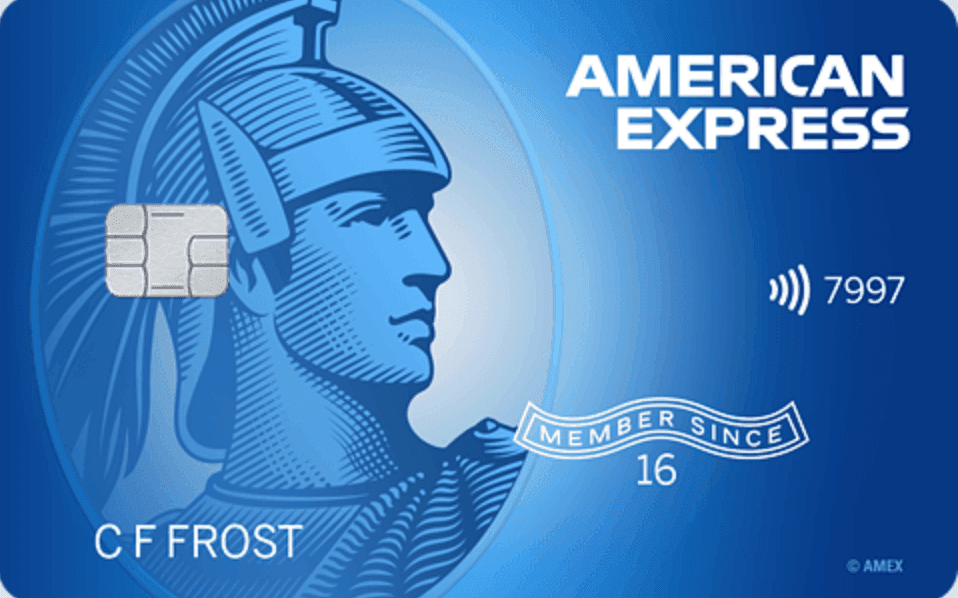
If you're hovering around that line, the Blue Cash Everyday is also worth a serious look. It pays 3% on US supermarkets, 3% on US online retail (a category most cards don't cover), and 3% on US gas stations.
The Walmart/Target/Costco problem
Here's where most grocery card guides get it wrong. They quote the 6% rate without telling you that Walmart, Target, Costco, Sam's Club, BJ's, and several specialty stores often don't code as supermarkets in your card's processing system. You'll earn the base 1% rate instead.
This isn't a bug — it's how American Express specifically excludes warehouse clubs and superstores from the supermarket bonus. Same pattern with most other supermarket bonus cards.
If you do most of your grocery shopping at Walmart or Costco, your strategy is different:
- Costco: The Costco Anywhere Visa is the only card that earns 4% on Costco-eligible categories, and the only card you can use for purchases at Costco (Costco only takes Visa). It's a niche card but if you shop there, it's the right answer.
- Walmart: No great Walmart-specific card unless you want the Capital One Walmart Rewards card. Otherwise, use a flat-rate 2% cash back card so at least you're earning above 1%.
- Target: The Target RedCard gives 5% off at the register, which is functionally better than any cash back card. But it's a closed-loop card that only works at Target.
The category-rotation cards
Some cards offer 5%-6% on groceries — but only during certain quarters of the year. The Discover it Cash Back rotates 5% categories quarterly, and groceries are usually one of them at some point. Same with Chase Freedom Flex.
These work if you're willing to:
- Activate the bonus category each quarter (it doesn't auto-activate)
- Pay attention to which card gets pulled out at the register
- Stay under the $1,500/quarter cap
For people who like the cash back game, these cards stack with a flat-rate or supermarket-specific card to cover all bases. For people who want to set it and forget it, they're more hassle than they're worth.
Stacking strategies
The pros don't pick one card. They use 2-3 in combination:
Simple stack (2 cards):
- Blue Cash Preferred for supermarkets
- Wells Fargo Active Cash for everything else (2% flat)
This covers traditional grocery shopping with a 6% return and gets you 2% on Walmart, Target, restaurants, gas — everywhere the supermarket bonus doesn't apply.
Aggressive stack (3 cards):
- Blue Cash Preferred for supermarkets (6%)
- Discover it Cash Back for the quarter when groceries is the rotating bonus (5% during that window, capped)
- Citi Double Cash or Active Cash for everything outside bonus categories (2%)
This is more management — you have to know which quarter is which, activate categories, and pull the right card at the right register. Most people don't bother. But for someone who tracks rewards, the additional return adds up.
Cash back portals and stacking with apps
You can layer additional cash back on top of your card by routing online grocery orders through a cash back portal like Rakuten, TopCashback, or your card issuer's own portal. Most pay an additional 1-3% on top of what you earn from the card.
Combined with a 6% card, you can hit 8-9% cash back on grocery delivery orders from places like Instacart, Walmart+, or supermarket pickup orders. This requires clicking through a portal before checkout, which most people forget to do, but it's free money if you remember.
The plain-English answer
For most people: get the Blue Cash Preferred if you spend $250+/month at supermarkets and the annual fee math works for you. Get the Blue Cash Everyday if it's less than that, or if you want to avoid annual fees.
For Costco shoppers: Costco Anywhere Visa.
For Walmart shoppers: a 2% flat-rate card unless you specifically want a Walmart-branded card.
For someone who travels a lot and wants travel rewards instead of cash, several travel cards (Amex Gold, Chase Sapphire Preferred) earn 3-4x points on groceries that can be worth more than 3% when redeemed for travel — but that's a different rabbit hole.