The "cash back vs points" debate has a clear theoretical winner and a clear practical winner, and they're not the same.
In theory, points win. A well-redeemed point can be worth 2-4 cents, while cash back is locked at 1 cent per dollar of cash earned. That's a 100-300% advantage for points.
In practice, most people get more value from cash back. Why? Because most people never actually figure out how to redeem points well, and the points sit in their account losing value to inflation while they keep saying they'll learn the system "later."
Let me break down when each one wins.
The simplest mental model
Cash back = guaranteed, simple, low ceiling.
- Earn 2% cash back, redeem it for $20 statement credit on $1,000 of spending. Always 2 cents per dollar. No surprises.
Points = variable, complex, high ceiling.
- Earn 2 points per dollar. Redeem them for cash at 1 cent each = same as 2% cash back. Or transfer them to airline partners, where the same points can be worth 4-6 cents each on the right redemption.
The catch is the second part. Most people redeem points for cash or a statement credit at 1 cent each, which makes them functionally identical to cash back — except the points often had a worse base earn rate (1x vs 2%), so cash back actually wins.
Points only beat cash back when you actually transfer them to airline or hotel partners.
When cash back wins
Cash back is the right choice if any of these describe you:
You don't travel. Travel partners are where points get their outsized value. If you don't fly often or stay in hotels, you'll never extract more than 1 cent per point — at which rate, a flat 2% cash back card beats most points cards.
You hate redemption complexity. Points programs require you to learn transfer ratios, find good award space, decide which partner to transfer to, time your redemptions before devaluations. If that sentence made you tired, cash back is for you.
You spend across many categories. Most points cards have specific bonus categories (dining, travel, groceries). Most cash back cards do too — but flat-rate cash back cards (2% on everything) earn the same on every purchase. If your spending doesn't cluster in any one category, the simplicity wins.
You'd take cash now over a flight in 12 months. Points often need to be saved up for a meaningful redemption. Cash back hits your account immediately and can pay off your statement balance. Time value of money is real.
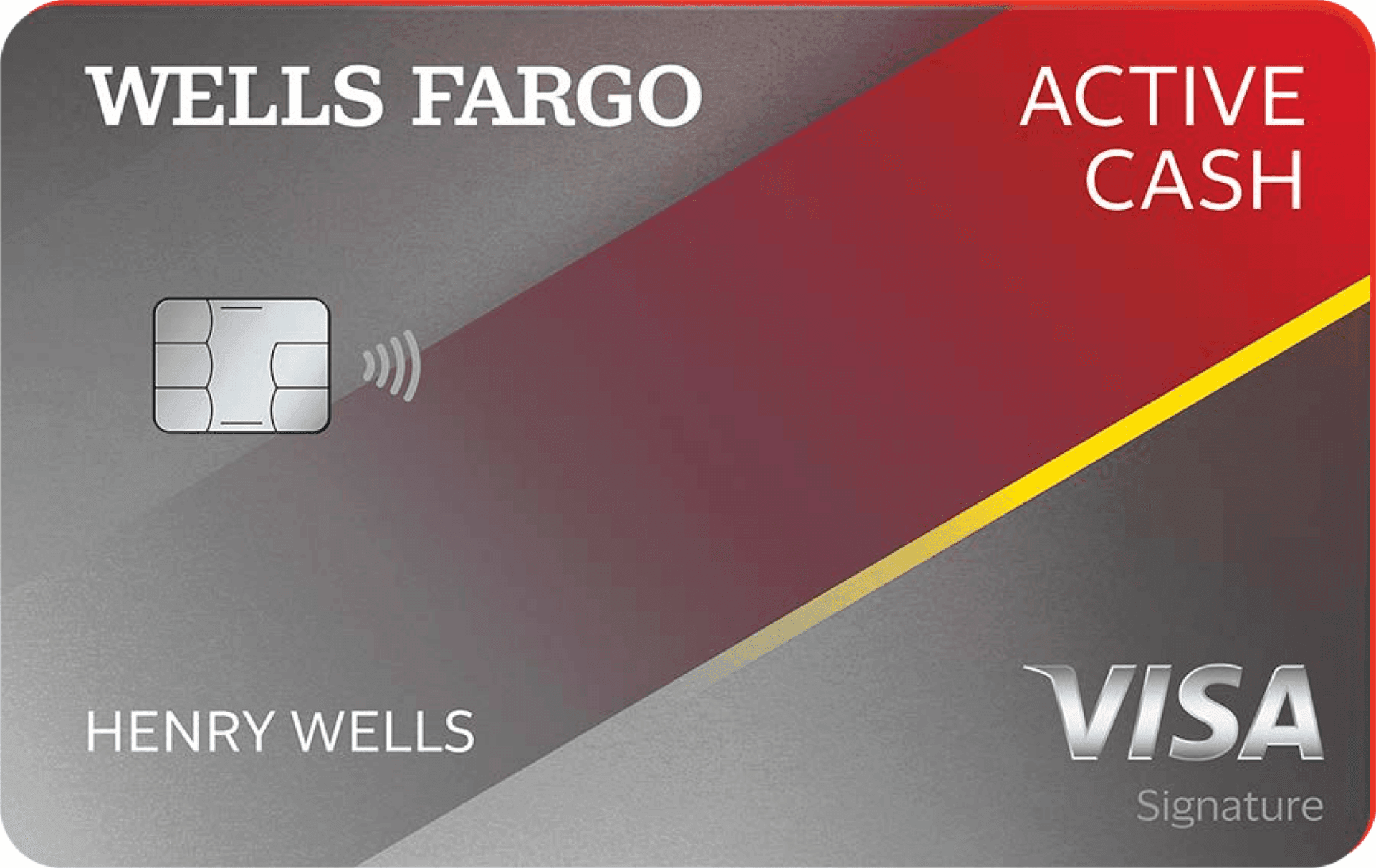
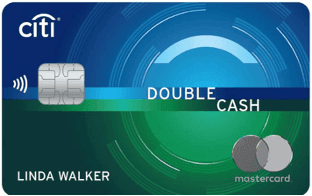
Your top cards are: Wells Fargo Active Cash, Citi Double Cash, Bank of America Customized Cash Rewards, Discover it Cash Back.
When points win
Points are the right choice if all of these are true:
You actually travel. International flights especially. The biggest point redemptions come from transferring to airlines for business or first class international flights, where a $5,000 ticket can be booked for 100,000 points (5 cents per point).
You're willing to learn the system. Programs like Chase Ultimate Rewards, Amex Membership Rewards, and Capital One Miles each have different transfer partners and different sweet spots. You don't need to be an expert, but you have to be willing to spend an hour learning the basics.
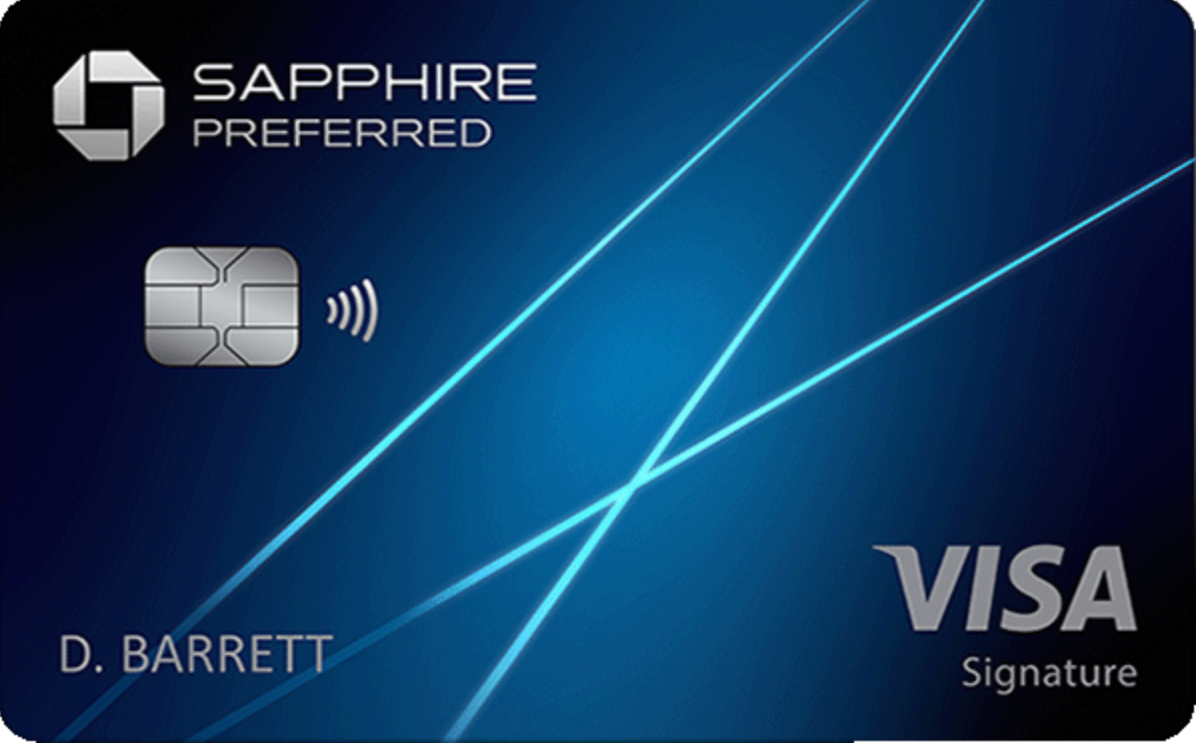
Your spending fits the bonus categories. Chase Sapphire Preferred earns 3x on dining and 2x on travel. If you eat out a lot and travel often, you're earning at 2-3x rates that turn into 6-9 cents of value per dollar at top redemptions.
You're patient. Building up enough points for a meaningful trip can take months or years of regular spending. If you'll bail on the system before you have enough to redeem well, you might as well take cash back as you go.
Your top cards are: Chase Sapphire Preferred, Capital One Venture, Amex Gold, Citi Strata Premier.
The "points worth 1 cent" trap
Here's the common mistake. You earn 60,000 Chase Ultimate Rewards points. You see the redemption page and you have two choices:
- Redeem for $600 cash back (1 cent each)
- Transfer to Hyatt and book two nights at a $400/night hotel (worth $800, or 1.33 cents each)
- Transfer to United for an off-peak Hawaii ticket (worth $1,200, or 2 cents each)
If you pick option 1 because it's easiest, you've turned a $1,200 redemption into a $600 redemption. You've left $600 on the table.
This isn't theoretical. It's what most people do. The redemption interface defaults to cash, the cash redemption is one click, and the partner transfer requires research. So people take the cash and move on.
This is why points-versus-cash-back is more about you than the cards. The same points are worth 1 cent or 4 cents depending entirely on how you use them.
The hybrid approach
If you can't decide, do both. Many serious rewards-focused people hold:
- A flat-rate cash back card like the Wells Fargo Active Cash (2% on everything). Used for purchases that don't earn bonus rewards anywhere else.
- A travel rewards card like the Chase Sapphire Preferred. Used for dining, travel, and online groceries (the 3x and 2x categories), and for purchases where Chase's purchase protection / travel insurance kicks in.
You earn cash back on everyday spending, points on bonus categories, and you don't have to make either system carry the whole load.
A note on transferable point currencies
Not all points are created equal. Some are valuable; some are basically cash back with extra steps.
Highly valuable, transferable to airline/hotel partners:
- Chase Ultimate Rewards (when you have a Sapphire card)
- American Express Membership Rewards
- Capital One Miles
- Citi ThankYou Points (with Strata Premier or above)
Less valuable, locked in as cash equivalents:
- Discover Cashback Bonus
- Wells Fargo Active Cash rewards
- Bank of America Cash Rewards
- Citi Double Cash (technically points, but functionally cash back)
The first group has the high ceiling we've been discussing. The second group is just cash back rebranded.
Bottom line
Cash back if you don't travel, don't want complexity, or won't put in the effort to learn redemptions. Realistically, that's most people, and there's nothing wrong with that.
Points if you travel, want to learn the system, and want to play the high-ceiling game.
Or both, if you want maximum value across all your spending.
The wrong move is paying for an expensive points card and then redeeming all your points at 1 cent each. You've taken the complexity and given up the value.