You're carrying a balance on a Chase card and you want to transfer it to a different Chase card with a 0% intro APR. You apply, you're approved, you initiate the balance transfer — and the transfer gets denied. You can't move money from Chase to Chase.
This catches a lot of people off guard. The rule isn't well-advertised, and most issuers handle it the same way: you can't transfer a balance between two cards from the same issuer.
Here's why, and what the workarounds actually look like.
The rule
Every major U.S. credit card issuer has a "no internal balance transfers" policy:
- Chase: No balance transfers between Chase-issued cards
- Bank of America: No balance transfers between BofA-issued cards (this includes BankAmericard, etc.)
- American Express: Doesn't offer balance transfers at all on most cards (Amex is structurally a charge card issuer historically)
- Capital One: No balance transfers between Capital One cards
- Citi: No balance transfers between Citi-issued cards
- Wells Fargo: No balance transfers between Wells Fargo-issued cards
- Discover: No balance transfers between Discover cards
There are very few exceptions. Some store cards issued by Synchrony or Comenity may have looser rules because they're branded for different retailers, but the underlying issuer rule still typically applies.
Why issuers block it
The economics are simple: balance transfer offers exist to acquire new customers and bring over balances from competitors. The 0% intro APR is essentially a marketing expense — the bank loses interest income for 12-21 months in exchange for getting you on their books.
If you're already a Chase customer with a balance on one Chase card, Chase has already "won" you. Letting you move that balance to a 0% APR Chase card is just costing them interest income with no acquisition benefit. So they don't allow it.
Some banks also have technical reasons (the transfer infrastructure is built around moving money between different issuers' systems), but the economic reason is the dominant one.
What actually counts as "same bank"
The line isn't always obvious. A few clarifications:
Different brand, same issuer = same bank. A Chase Sapphire Preferred and a Marriott Bonvoy Boundless are both issued by Chase, even though one is co-branded with Marriott. You can't transfer between them.
Different issuer, same brand = different bank. This sometimes catches people. The Costco Anywhere Visa is issued by Citi. The Citibank Custom Cash is also issued by Citi. Even though one is "Costco branded," they're both Citi cards under the hood — no transfer.
Co-branded airline/hotel cards. Most are issued by Chase, Amex, Citi, or Barclays. The card name doesn't tell you the issuer, the small print on the application does. Check before assuming.
The workaround: a third bank
The straightforward solution is to get a balance transfer card from a different issuer than where your balance is.
If your balance is on a Chase card, your transfer target options include:
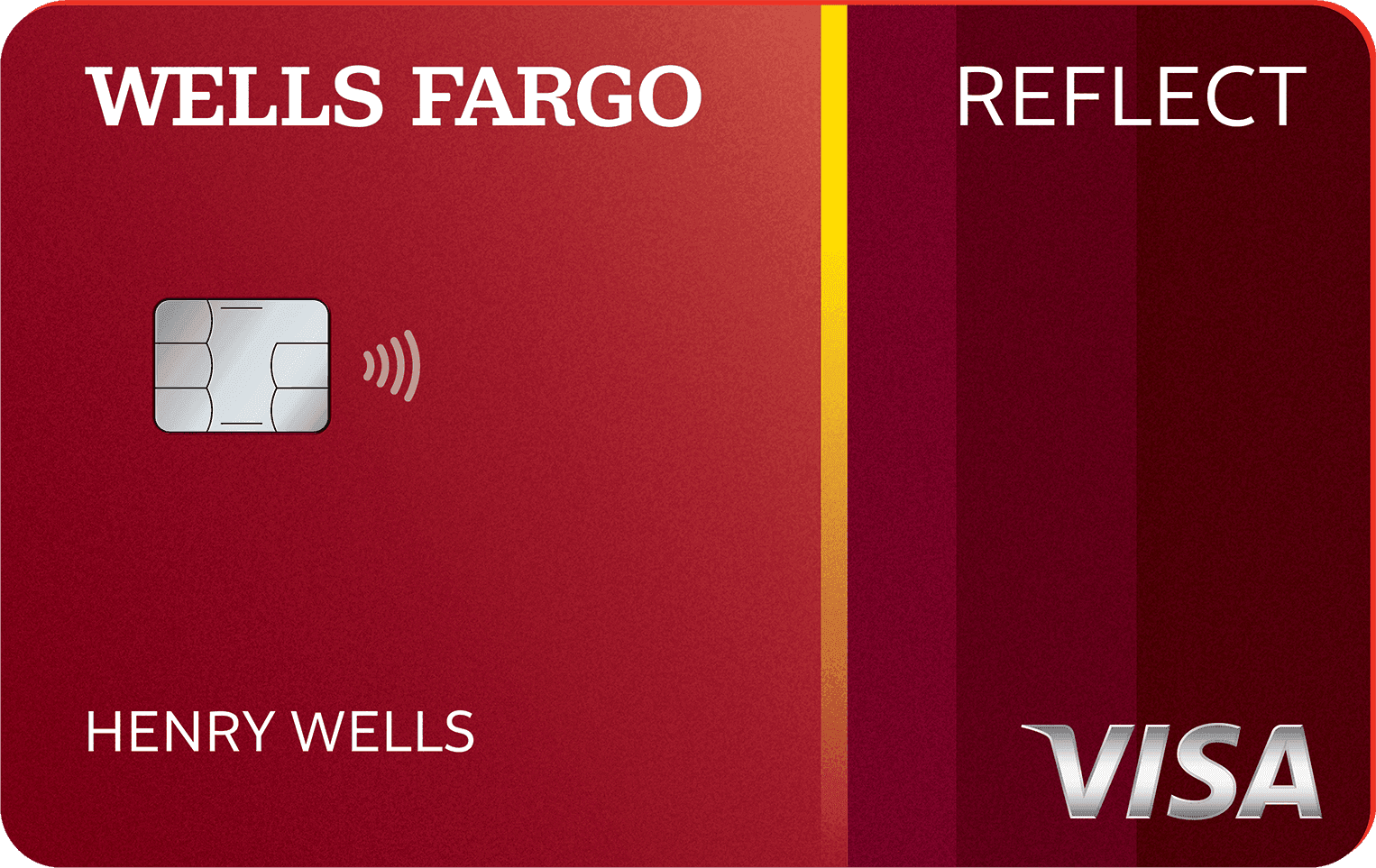
- Wells Fargo Reflect (21 months 0% APR — the longest available)
- Citi Diamond Preferred (21 months 0% APR on transfers)
- Citi Double Cash (18 months 0% APR on transfers)
- BankAmericard (18 months 0% APR on transfers, no annual fee)
If your balance is on a BofA card, you'd target a Wells Fargo, Citi, or Chase card.
The mechanics: apply for the new card, get approved, then initiate the balance transfer when the new card arrives or through their online portal. The transfer typically takes 7-14 days.
The two-step move
A more aggressive workaround: transfer the balance to a personal loan, then back to a card from the original issuer.
Example flow:
- You have a $10,000 balance on a Chase Freedom Unlimited
- You take out a $10,000 personal loan from a different lender (SoFi, LightStream, your local credit union)
- You use the personal loan to pay off the Chase Freedom Unlimited balance
- Some weeks later, you get a Chase Slate Edge with a 0% intro APR offer
- You... can't actually transfer from the personal loan to the Slate Edge in most cases
This second step rarely works as cleanly as the article suggests. Personal loans aren't credit cards, and the transfer infrastructure usually rejects this. The personal loan route is mostly useful when you want to consolidate debt with a fixed monthly payment, not when you want to chase 0% APR offers.
Convenience checks: a partial workaround
Some issuers periodically mail "convenience checks" — physical checks tied to your credit card account that you can use like a normal check. These checks usually carry a fee (3-5%) and trigger interest from day one (no grace period), but they're not technically balance transfers — they're cash advances dressed up as something else.
In rare cases, you can use a convenience check from Card A (issuer X) to make a payment to Card B (also issuer X). The bank doesn't classify it as an internal transfer because the check is a cash advance.
This is a niche move with some downsides:
- The cash advance fee (3-5%) is similar to a balance transfer fee
- The intro APR offer (if any) on the convenience check is usually shorter than a balance transfer offer
- Cash advances may not have a grace period — interest may start immediately
For most people this isn't worth the complication.
What to do if you're stuck
If you have balances on cards across two issuers, here's the cleanest path:
- List your balances by issuer. "$8,000 on Chase," "$3,000 on Citi" or whatever you actually have.
- Pick the issuer with the bigger balance. That's the one you want to transfer FROM, not TO.
- Apply for a balance transfer card from a third issuer. Wells Fargo Reflect for the longest 0% APR, Citi Diamond Preferred close behind, BankAmericard for no transfer fee on the smaller card.
- Transfer the bigger balance. If your new card's credit limit doesn't cover the whole balance, transfer as much as fits.
- Make minimum payments on whatever's left. Treat it as the high-interest debt it is and aggressively pay it down.
The "same issuer" rule is annoying, but it's universal — every major bank has it, no major bank is going to break ranks, and the workarounds (other than just using a third issuer) tend to be marginal.
If your bank tells you they won't let you transfer to one of their other cards, they're not making it up to be difficult. They're following the standard rule that every U.S. credit card issuer follows. Take your business to a third bank — that's the move that actually works.