The marketing on cash back cards uses big numbers — 5%, 6%, 8%, sometimes higher with promo periods. But once you read the fine print, those rates apply to specific categories, often capped at quarterly or yearly limits, and your effective rate across all your spending is usually well below the headline number.
Here's the actual ceiling on cash back, what it takes to reach it, and whether the optimization is worth the work.
The flat-rate ceiling: 2%
For unconditional, no-categories, no-thinking cash back on every purchase, 2% is the practical maximum at no annual fee. Three cards hit this:
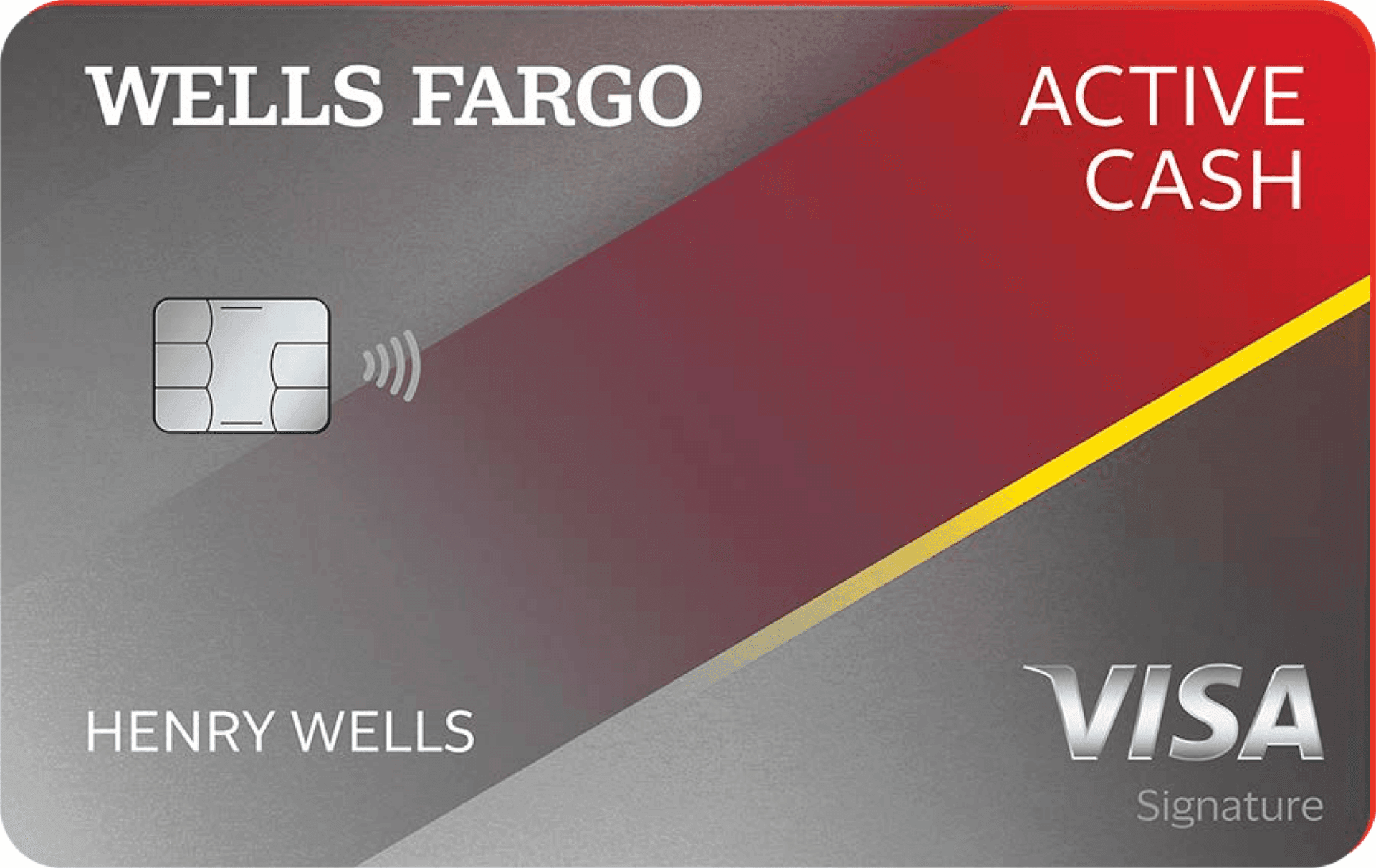
- Wells Fargo Active Cash (2% on everything)
- Citi Double Cash (1% when you buy + 1% when you pay = 2%)
- Fidelity Rewards Visa (2% deposited into a Fidelity account)
There are also paid-fee 2% cards (the SoFi Plus at 2.2% with the SoFi+ membership, or the SDFCU Premium at 2% with no fee but credit union membership requirements), but for most people, 2% with no annual fee is the floor of what's worth having.
If you want a card you can use for absolutely anything and never think about, this is the rate.
The category-specific ceiling: 5–6%
Step up to category-specific cards and the ceiling becomes 5-6% on specific spending types:
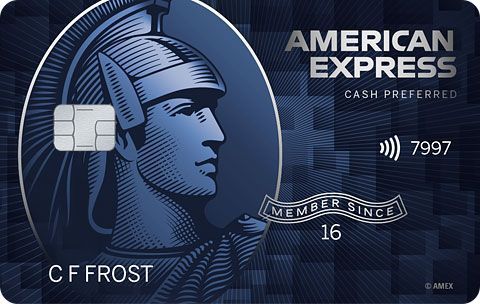
- 6% at U.S. supermarkets — Blue Cash Preferred from American Express ($95 annual fee, $6,000 cap)
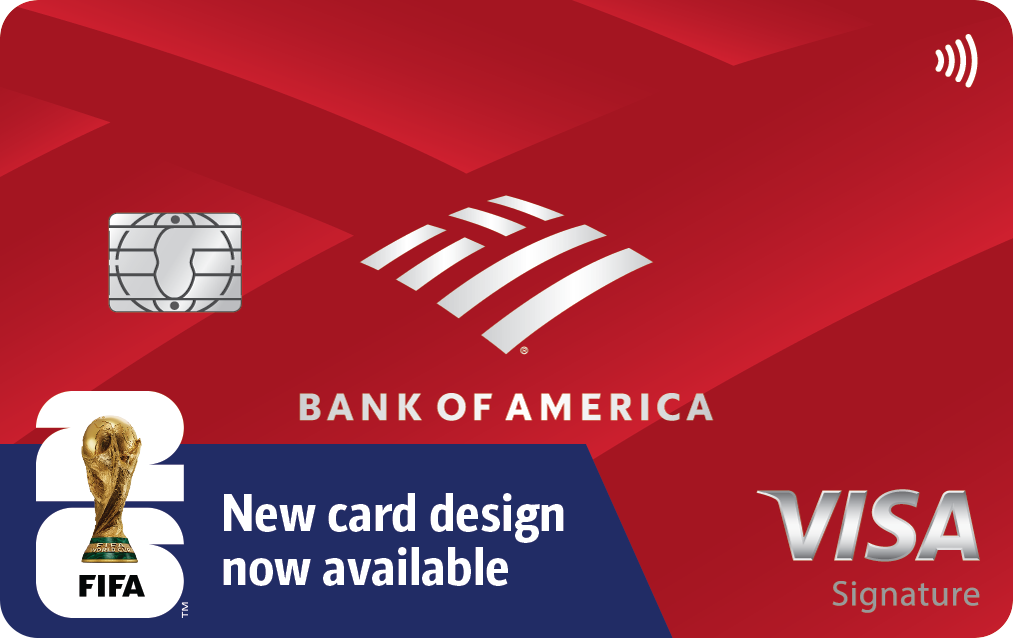
- 6% in your chosen Bank of America category — Customized Cash Rewards (in year one only on the Visa version; 3% after year one)
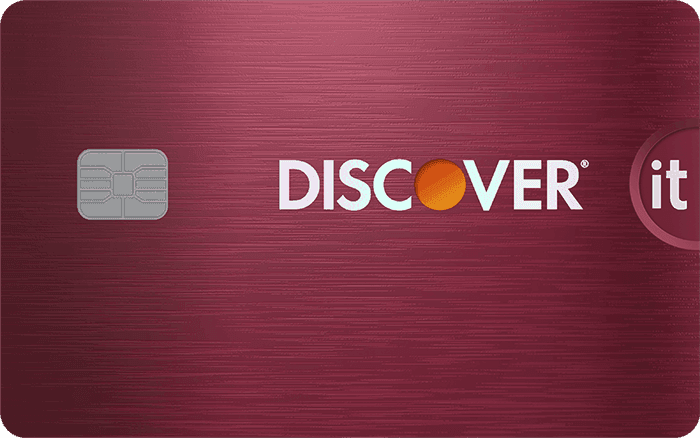
- 5% on rotating quarterly categories — Discover it Cash Back, Chase Freedom Flex (capped at $1,500 in spend per quarter)
- 5% on travel through portal — multiple cards (Sapphire Preferred 5x on Chase Travel, Quicksilver 5% on Capital One Travel)
- 5% on dining (year one) — Capital One Savor at 3% after year one
Above 5-6% on a credit card is uncommon and almost always promotional or has a low cap. Anything advertising 8%+ is either a temporary promo, an extremely narrow category, or fine print you're not seeing.
Why those rates have caps
Card issuers can only afford to pay 5%+ on bonus categories because of caps. The Blue Cash Preferred caps grocery spending at $6,000/year — beyond that, you earn 1%. The Discover it caps 5% rotating categories at $1,500/quarter. Chase Freedom Flex same.
The math from the issuer's side: a typical interchange fee on a credit card transaction is about 2-3%. Paying 5% cash back means losing money on every dollar — but the cap limits how much they can lose, and the customer's spending outside the cap (at 1%) is profitable. The cap is the entire reason the high rate exists.
If you spend over the cap, you're earning the bonus rate up to the cap and 1% beyond. Your effective rate across all your spending in that category is somewhere between the cap rate and 1%, weighted by how much you spent over.
Stacking cards for higher effective rates
The way to actually maximize cash back across all your spending is to use multiple cards, each for the category where it earns the highest rate. A common stack:
- Groceries: Blue Cash Preferred (6%, up to $6,000/year)
- Rotating 5% categories: Discover it (gas one quarter, dining the next, etc.)
- Dining and travel through Chase: Sapphire Preferred or Freedom Flex (3-5%)
- Everything else: Active Cash (2%)
A reasonable middle-ground stacker can earn 4-4.5% on a meaningful portion of their spending and 2% on the rest. Effective rate across all spending: typically 2.5-3.5%.
This sounds great until you realize you're managing three to five cards, tracking which one to use for what, activating quarterly categories, and remembering to pay each one on time. Many people start the journey and quietly fall back to one or two cards because the optimization isn't worth the friction.
The 5% travel portal trick
If you book travel through specific issuer portals, you can earn 5% on those bookings:
- Chase Sapphire Preferred / Reserve: 5x points on Chase Travel
- Capital One Quicksilver: 5% on hotels and rental cars booked through Capital One Travel
- Amex Platinum: 5x on flights booked direct or through Amex Travel
Catch: portal prices are sometimes higher than booking direct. The 5% rewards offset is meaningful only if the price is competitive. Compare prices before booking through the portal — sometimes a direct booking at 1% rewards is still cheaper.
The Bank of America Preferred Rewards multiplier
Bank of America's Preferred Rewards program boosts cash back rates by 25-75% based on your banking and Merrill investment balance:
- Gold (\$20K-\$50K): +25% boost
- Platinum (\$50K-\$100K): +50% boost
- Platinum Honors (\$100K+): +75% boost
A Customized Cash Rewards user at Platinum Honors earns 5.25% in their chosen 3% category (3% × 1.75) and 3.5% on groceries (2% × 1.75). For BofA customers with significant deposits, this is the highest sustainable cash back rate available without an annual fee.
If you're not a BofA customer with $20K+ in deposits, this perk doesn't apply.
Annual fees and break-even
A few cards charge annual fees for higher rates. Quick math on whether the fee is worth it:
Blue Cash Preferred ($95 annual fee, 6% on groceries up to $6,000):
- Maximum grocery rewards: $6,000 × 6% = $360
- Less the $95 fee = $265 net
- Compared to 2% on the same $6,000 = $120
- Net advantage of Blue Cash Preferred over 2%: $145
If you spend $6,000+/year on groceries, the Blue Cash Preferred is worth $145 more than a 2% card. Net positive.
If you spend $3,000/year on groceries: 6% × $3,000 = $180. Less $95 fee = $85. Vs 2% of $3,000 = $60. Net advantage: $25. Still positive but marginal.
If you spend $2,000/year on groceries: $120 - $95 = $25. Vs $40. 2% card wins.
The break-even on the Blue Cash Preferred is around $2,400 in annual grocery spend. Below that, the fee outweighs the rate advantage. Above that, the higher rate compounds.
What to actually do
For most people who don't want to think about it: one 2% card (Active Cash or equivalent) covers everything reasonably. You'll never earn the absolute maximum, but you won't miss a quarter, won't activate the wrong category, won't forget which card to use where. Real-world earnings are usually within 0.5-1% of what aggressive stackers earn after their categories miss-fire.
For people willing to manage 2-3 cards: add the Discover it for rotating 5% categories and a category-specific card matched to your biggest spending area (Blue Cash Preferred for groceries, Customized Cash for chosen category, etc.). This is the sweet spot — meaningful upside without becoming a part-time job.
For points-and-miles enthusiasts with 5+ cards: the marginal optimization gets smaller and smaller. The difference between a well-managed 4-card setup and a obsessively-managed 8-card setup is usually under $200/year. Spend the time only if you genuinely enjoy the game.
The honest answer to "what's the highest cash back rate I can get" is: 6% on a narrow category in year one with the right card, 5% sustainable on rotating categories, 2% sustainable on everything. Aiming much higher on a sustained, all-spending basis usually means the math is misleading you.