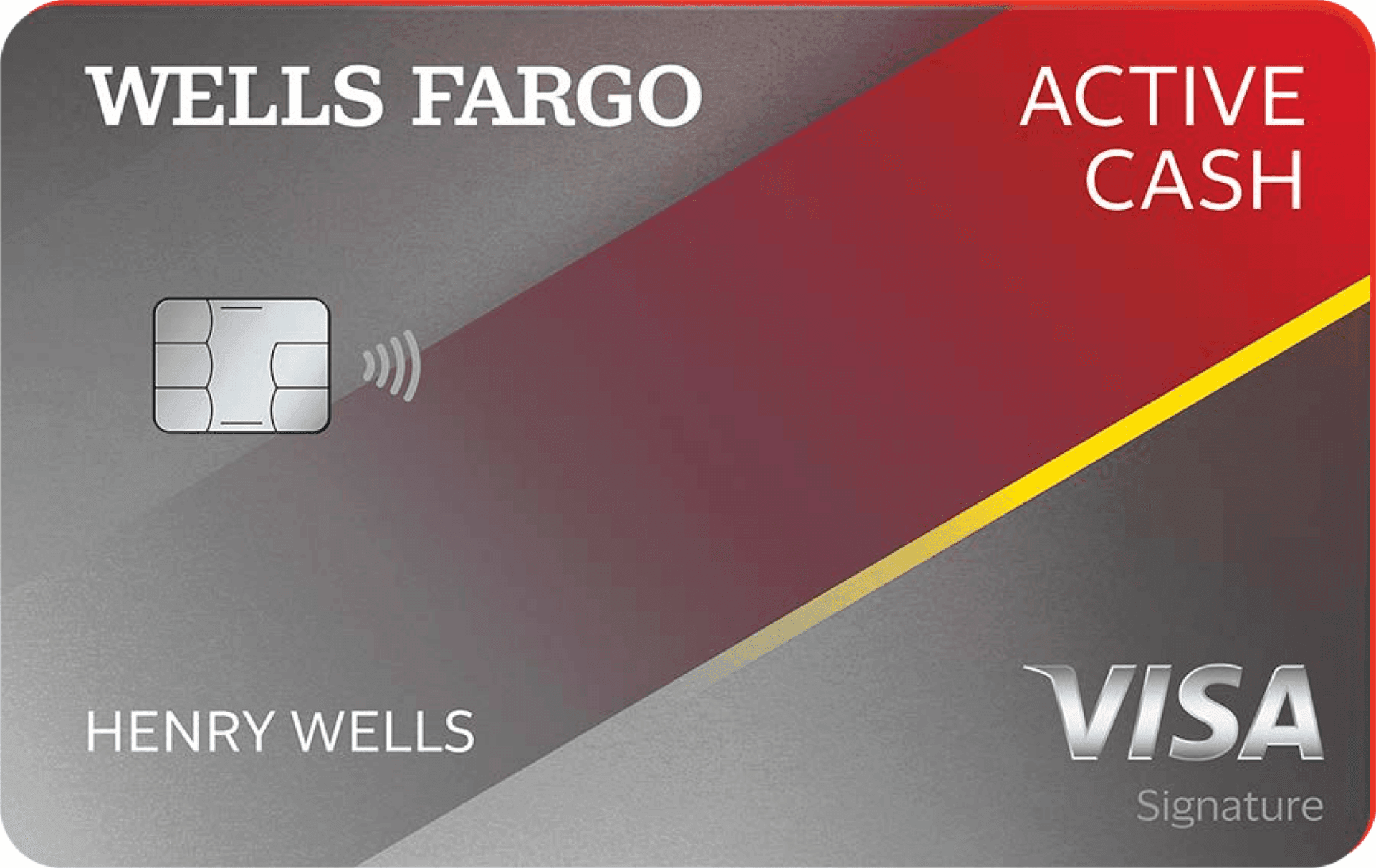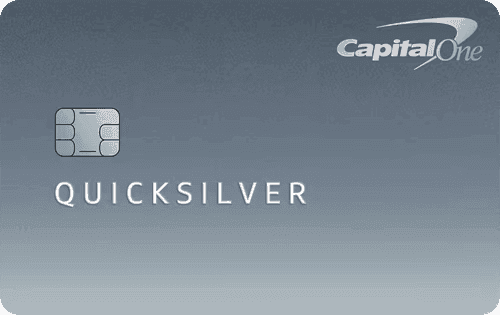
The Wells Fargo Active Cash and Capital One Quicksilver Cash Rewards both target the same person: someone who wants a no-annual-fee cash back card and doesn't want to think about rotating categories. Both cards approve at similar credit levels, both carry $200 welcome bonuses, both have 0% intro APR offers, and both pay flat-rate cash back on every purchase.
The difference comes down to two things that matter more than they look: the rewards rate and the foreign transaction fee. Let me explain.
The headline numbers
| Active Cash | Quicksilver | |
|---|---|---|
| Annual fee | $0 | $0 |
| Welcome bonus | $200 after $500 in 3 months | $200 after $500 in 3 months |
| Base rewards rate | 2% on everything | 1.5% on everything |
| Bonus categories | None | 5% on Capital One Travel hotels & rental cars |
| Intro APR | 0% for 12 months on purchases & balance transfers | 0% for 15 months on purchases & balance transfers |
| Foreign transaction fee | 3% | None |
| Regular APR | 18.49%–28.49% Variable | 18.49%–28.49% Variable |
Same welcome bonus, same approval credit range (Good/Excellent for both), same regular APR range. The two real differences: rewards rate (2% vs 1.5%) and foreign transaction fee (3% vs none).
When 2% wins
For domestic spending, the Active Cash is the obvious choice. The math is simple — on every dollar you spend, Wells Fargo gives you 33% more cash back than Capital One does (2¢ vs 1.5¢ per dollar).
On $20,000 of annual spend:
- Active Cash returns: $400
- Quicksilver returns: $300
That's $100 a year, every year, for doing nothing different. Compounded over a 5-year card lifetime, the Active Cash earns you $500 more than the Quicksilver — for a card with an identical welcome bonus and identical credit approval bar.
If you're a domestic spender who never leaves the U.S. with the card in your wallet, take the Active Cash and don't think about it again.
When the foreign transaction fee flips it
The Quicksilver has no foreign transaction fee. The Active Cash charges 3% on every purchase made outside the U.S., including online purchases from international merchants.
Travel even a little internationally — one trip a year, $2,000 in spend — and the math changes:
- Active Cash on $2,000 abroad: 2% rewards minus 3% fee = -$20 (you lose money)
- Quicksilver on $2,000 abroad: 1.5% rewards, no fee = +$30
So $2,000 of foreign spend swings $50 in the Quicksilver's favor on that spending alone. If your domestic spend rewards advantage on the Active Cash is less than that $50 swing — which happens around $5,000 of annual domestic spend — the Quicksilver actually nets out as the better card.
The break-even point is roughly: if annual foreign spend × 0.045 > annual domestic spend × 0.005, the Quicksilver wins. Most international travelers clear that threshold easily. People who never leave the country never approach it.
Bonus categories: small but real
The Quicksilver also earns 5% on hotels and rental cars booked through Capital One Travel. If you book travel through that portal — and many people do for the price-match feature — that's an extra $35 per $1,000 in qualifying travel spend.
Practical impact: most people don't book enough through Capital One Travel for this to matter. But if you book hotels and rental cars regularly, it adds up.
The intro APR difference
Quicksilver: 15 months at 0% on purchases AND balance transfers. Active Cash: 12 months at 0% on purchases AND balance transfers.
Three extra months on the Quicksilver. If you're using one of these cards for a planned big purchase or a balance transfer, that's three more months of breathing room before interest kicks in. Worth a few dollars on most balances.
The balance transfer fee is similar between the two cards (3-5% depending on when in the intro period you transfer), so neither has a clear advantage there.
What about Citi Double Cash?
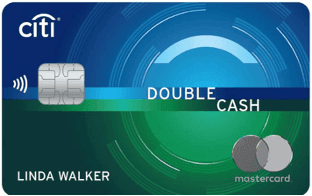
The Citi Double Cash also earns 2% (1% when you buy, 1% when you pay), but with a 3% foreign transaction fee. Effectively a third option in the same league as the Active Cash for domestic spending — slightly weaker for new applicants because the welcome bonus is lower ($200 after $1,500 spend in 6 months, vs Active Cash's faster $500 in 3 months) and the rewards-as-you-pay structure is more annoying than it sounds. But it has a strong 18-month 0% balance transfer offer that beats both other cards.
Recommendation
If you spend almost entirely domestically: Active Cash. The 2% rate beats 1.5%, the bonus categories on the Quicksilver don't fire often enough to matter for most spenders, and you save the 3% Wells Fargo charges on foreign purchases by simply not making any.
If you travel internationally even a few times a year: Quicksilver. The foreign transaction fee on the Active Cash will eat your rewards on every international transaction, while the Quicksilver charges nothing.
If you also need a longer 0% intro APR: Quicksilver. 15 months vs 12.
If you want both: carry both. Both have no annual fee, both have welcome bonuses you can earn separately, and the credit pull-to-reward ratio is favorable. Use the Active Cash domestically and the Quicksilver abroad. This is what most points-and-miles enthusiasts actually do.
For a single-card pick where you want the simplest possible answer: if you don't travel internationally, get the Active Cash. If you do, get the Quicksilver.